

Parents of children living with sickle cell disease have appealed to government to urgently stock essential medicines and deploy specialised health workers to public clinics affiliated with Mulago National Referral Hospital, warning that gaps in care are putting their children’s lives at risk.
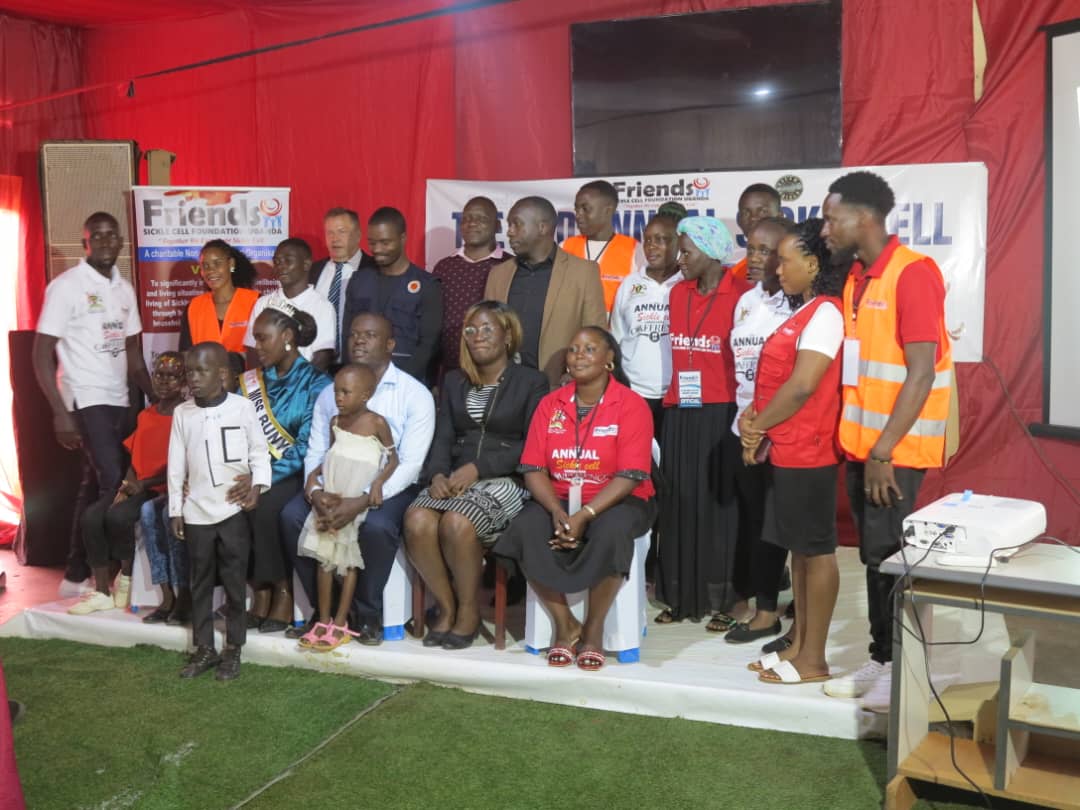
The appeal was made during a reflection and appreciation meeting for caregivers of children with sickle cell disease held in Kasengejje, Wakiso District.
The meeting brought together officials from the Ministry of Health, led by the National Sickle Cell Programme Officer, Dr Frida Nsereko, health experts, civil society organisations including Friends of Sickle Cell Disease, local leaders, parents, and children affected by the condition.
Dr Nsereko said that although cases of sickle cell disease are rising, the Ministry of Health has intensified public awareness campaigns to improve early diagnosis and access to treatment.
“Many people are now informed about sickle cell disease. That is why they no longer rely on traditional healers but instead go to health facilities for testing and treatment,” Nsereko said.
She urged Ugandans to take personal responsibility by screening before marriage or childbearing.
“It is important for couples to know their sickle cell status early. This helps prevent the suffering children with the disease go through,” she added.
Sickle cell specialist Dr Mugole Amis said the disease is steadily increasing in Uganda, with Wakiso, Mukono, Buyikwe and Kampala currently registering the highest number of patients.
“Sickle cell disease has increased in the country, especially in Wakiso, Mukono, Buyikwe and Kampala. However, if parents test before deciding to have children, the number of babies born with the condition can be reduced,” Dr Amis said.
Parents, however, raised concerns about the limited availability of drugs and services at government facilities designated to manage sickle cell disease. They called on government to ensure that Mulago-supervised clinics are adequately equipped with medicines, diagnostic tools and trained specialists.
Frank Sekidde, a parent of a child living with sickle cell disease, described the difficulties many families face.
“We struggle to get proper treatment in nearby health facilities, yet Mulago Hospital is very far. Even when we go to the clinics that were set up, there are no supplies, and we are asked to pay for tests, which is not easy for many families,” Sekidde said.
Civil society organisations at the meeting also appealed to religious leaders to support prevention efforts by encouraging premarital screening.
They urged churches and mosques to require couples intending to marry to present medical reports confirming they have been screened for sickle cell disease.
The conference organiser and founder of Friends of Sickle Cell Disease, Dr Hamidu Matovu, emphasised that caregivers also need recognition and support.
“Caregivers of children with sickle cell disease go through a lot emotionally, physically and financially. They too need care, recognition and support,” Dr Matovu said.
During the event, caregivers received certificates and gifts in appreciation of their commitment to caring for children living with sickle cell disease.
